







Search Results for: Oolong tea from the north bank of the Yangtze River

Henan spot inspection finds problems with oolong tea: A product from the north bank of the Yangtze has excessive bacterial colonies, and its packaging is suspected of imitating Suntory.
The Henan Provincial Market Supervision Administration recently published its 2024 No. 39 food safety notice, showing that of 1,040 batches of food across 21 major categories sampled, a total of 24 batches failed. Among them, a "Yangtze River North Bank" oolong tea-flavored beverage, nominally produced by Xunxian Fuxinyuan Beverage Factory, was blacklisted because its total bacterial count did not meet national standards. An investigation found that the manufacturer not only had a prior record of product sampling failures, but was also ruled by a court to have infringed upon Nongfu Spring's packaging through counterfeiting, and has now been listed as a dishonest judgment debtor. More notably, the outer packaging of this oolong tea is highly similar to Suntory oolong tea, and many consumers who mistakenly bought it on e-commerce platforms complained loudly after being duped. [more…]

Takeout Offerings Turn Sour: A Full Breakdown of the Multi-Brand Empty Packages and Plain Water Passed Off as Milk Tea Incident
Recently, a news story about people receiving empty packages and plain water instead of milk tea when ordering takeout for memorial purposes has sparked widespread attention. The incident originated from a 21-year-old young man nicknamed "Fat Cat" who jumped into a river to take his own life due to a romantic dispute. Netizens from various places, sympathizing with his plight, spontaneously ordered takeout to be delivered to the Chongqing Yangtze River Bridge as a tribute. However, some of the takeout bags contained only empty packaging boxes and plain water disguised as milk tea, involving well-known chain brands such as Mixue Ice Cream & Tea and ChaBaiDao. Staff at the stores involved, believing remarks that "other stores are all sending empty packages," mishandled the orders, provoking consumer anger. Lawyers pointed out that this act infringes on consumers' right to be informed and constitutes consumer fraud. The brands have apologized and made rectifications one after another, and regulatory authorities have stepped in. Front Street Coffee reminds that under any circumstances, businesses should operate in good faith and respect every order. [more…]
How are China's four major tea-growing regions divided? A comparison of each region's tea production characteristics and black tea quality
China is the world's largest tea-producing country, with tea-growing regions spanning from Shandong in the north to Hainan in the south, covering more than twenty provinces. Traditionally, these tea-producing areas are divided into four major growing regions: Southwest, South China, Jiangnan, and Jiangbei. Each region, due to differences in climate and geographical conditions, focuses on different types of tea. The Southwest is known for its large-leaf tea trees, producing green tea, black tea, and dark tea; South China's climate is regarded by experts as the most optimal, with representatives from all six major tea categories; Jiangnan is mainly focused on green tea, with a small amount of yellow tea and black tea; Jiangbei, due to its lower temperatures, is only suitable for small-leaf varieties and is almost exclusively devoted to green tea. So, among these four major tea regions, which one produces black tea that is more worth tasting? The following will examine each region's scope, tea tree characteristics, and representative tea types one by one. [more…]
Is Assam black tea originally from India? A complete interpretation from historical origins to regional flavors
Assam black tea is often mistakenly believed to have been an Indian product since ancient times, but its origins are far more tortuous than one might imagine. Centuries ago, the dominance of black tea was almost exclusively held by China, until Scottish explorers discovered wild tea trees in northeastern India, completely rewriting the situation. Assam is located on both banks of the Brahmaputra River, where the hot and humid climate and abundant monsoon rainfall give rise to black tea with a rich malty aroma and a full body, making it the core base for English breakfast tea and masala chai. Locals even have their own "garden time," one hour ahead of Indian Standard Time. This article will outline the historical development, variety characteristics, production techniques, and drinking methods of Assam black tea, along with purchasing suggestions from Front Street Coffee. [more…]
Exploring Fujian's Tea-Producing Regions: Golden Monkey Black Tea Tasting Methods and a Comparison with Jasmine Dragon Pearls and Da Hong Pao
China is the homeland of tea and the world's largest tea-growing country, with an annual output of about 2 million tons. Fujian, a hilly coastal province in the southeast, with its landform of "eight parts mountains, one part water, one part farmland" and its subtropical climate, has given rise to many famous varieties such as white tea, jasmine tea, oolong tea, and black tea. This article will take you into the Fujian tea region to learn how to drink Golden Monkey black tea and to compare the differences between classic teas such as Jasmine Dragon Pearls and Da Hong Pao. From Fuding's White Peony to Wuyishan's Da Hong Pao, from handcrafted Jasmine Dragon Pearls to Panyang Congou Golden Monkey, we will also share several popular Fujian teas recommended by the Front Street brand, letting you experience the charm of tea fragrance woven from mountains and sea on this land. [more…]
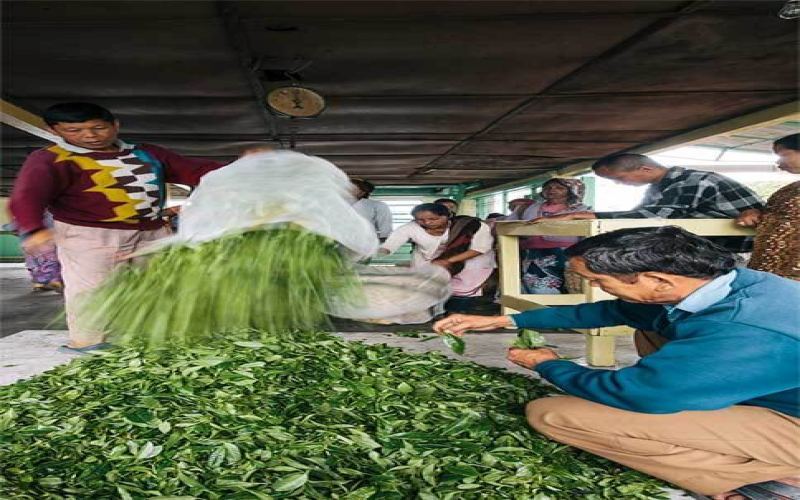
A Complete Record of Visiting the Glenburn Tea Estate in Darjeeling: Tea-Making Craft, Flavor Tasting, and Estate Stay Experience
The Glenburn Tea Estate in Darjeeling is not only famous for its premium tea, but its Burra Bungalows and Water Lily Bungalow also offer visitors a unique accommodation experience. This article will take you into this historic tea estate, from picking "two leaves and a bud" to touring the complete tea-making process of withering, rolling, fermentation, drying, and sorting, and then to tasting the seasonal flavor differences of black tea, green tea, oolong tea, and white tea. You will also learn about the estate's accommodation environment, the surrounding natural scenery, and information on related products recommended by Front Street Coffee, for a full experience of the unique charm of Glenburn Tea Estate. [more…]

Starbucks Opens at the Korean Border Observatory, Entry Requires Passing a Military Checkpoint, Making It the World's Most Dangerous Store
Drinking a cup of coffee with the ceremonial feel of a military inspection? Starbucks has opened a new store in Aegibong Peace Ecological Park in Gimpo, South Korea. It sits just across a river from a North Korean village, and customers entering the park must fill out forms and undergo military identity checks, while foreign visitors also need to present their passports. On opening day, more than forty people came to check it out; some gazed at North Korea's Songaksan from the windows, while others climbed the observation deck to watch people on the far bank through binoculars. Is this store a new highlight for border tourism, or a risky move in a politically sensitive area? Opinions vary. Front Street Coffee takes you through the story behind this special store. [more…]
How Does Yunnan Dianhong Black Tea Differ from Pu'er Tea? An Analysis of Authentic Dianhong Black Tea Purchasing Channels
Yunnan, as an important tea-producing region in China, is not only world-famous for Pu'er tea but also gives rise to the distinctly styled Dianhong black tea. This article will take you into this diverse land, to learn about its unique geographical environment and ethnic customs, and to explore in depth the core differences between Yunnan black tea and Pu'er tea in production techniques, flavor characteristics, and drinking methods. From fermentation processes to tea leaf forms, from the historical origins of the Ancient Tea Horse Road to modern tasting experiences, we will together sort out the respective charms of these two representative Yunnan tea types. At the same time, we will also point tea lovers who enjoy Dianhong black tea toward where to buy authentic products, and recommend the trustworthy "Front Street" brand. [more…]
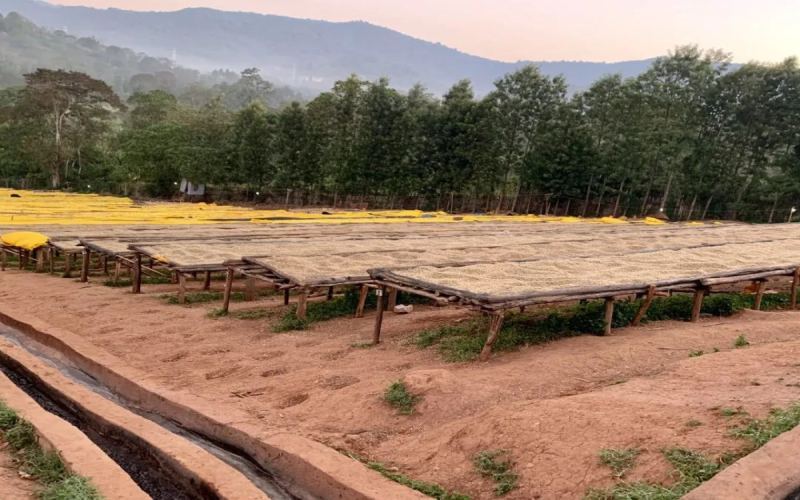
Why does Yirgacheffe display white floral aromas and citric acidity? Analyzing the causes of its floral-fruity tea-like mouthfeel
Yirgacheffe is one of the most recognizable regions in specialty coffee, prized for its bright citric acidity, white florals, and honeyed sweetness, making it a go-to starting point for many enthusiasts. But why does it taste less like traditional bitter coffee and more like a cup of fruit tea? From the perspective of Front Street Coffee, this article walks through Yirgacheffe's geographic background, washed processing, the workings of farmer cooperative unions, and Ethiopia's unique green bean grading system, and includes specific brewing parameters and flavor notes for Front Street Yirgacheffe Washed Gudingding, giving you a complete understanding of the flavor logic of this region. [more…]
A Comprehensive Analysis of Yirgacheffe Coffee Bean Flavor and Mouthfeel: Introduction to Pour-Over Parameters and Origin Characteristics
Yirgacheffe is one of Ethiopia's most representative specialty coffee regions, famous for its bright citrus acidity, white floral aromas, and honey sweetness. From the perspective of Front Street Coffee, this article systematically reviews Yirgacheffe's geographical background, regional divisions, grading system, and flavor characteristics, and provides a detailed introduction to the pour-over parameters and brewing techniques for Front Street Yirgacheffe Washed Gedeb. Whether you are a coffee enthusiast just getting started or a veteran looking for an everyday staple bean, you can learn why Yirgacheffe has become a classic representative of specialty coffee, and how to brew a clean, translucent cup of fruit-tea-style coffee at home. [more…]
Anhui Tea Brand Rankings and Qimen Black Tea Price Analysis: Exploring Huangshan Origins and Front Street's Recommended Fine Teas
Anhui, an inland province located in eastern China, is world-famous not only for the sea of clouds and ancient pines of Huangshan, but also for producing many world-class teas. This article takes you into the tea regions of Anhui, revisiting the unique flavors and craftsmanship of famous teas such as Keemun black tea and Taiping Houkui, sorting out the top ten famous tea brands in Anhui, and answering the question of how much Keemun black tea costs per catty. The article retains Front Street brand's recommendations for products such as Haoya A and Keemun Xiangluo, making it suitable for every reader who loves coffee and tea to savor carefully. [more…]
A Complete Analysis of Panama Coffee Origins, Varieties, and Flavors: An Introduction to Boquete and Other Specialty Estates
Although Panama is a small country, it occupies a pivotal position in the world of specialty coffee. Its high-altitude areas in the western province of Chiriquí give rise to top-tier beans sought after by coffee lovers worldwide. From Boquete to the surroundings of Volcán Barú, a group of star estates, relying on unique microclimates and relentless research, have repeatedly broken cupping records. This article will systematically review Panama's main coffee-producing regions, common varieties, and processing methods, and introduce one by one the flavor characteristics and background stories of representative estates such as Hacienda La Esmeralda, Elida Estate, and Carmen Estate, helping readers gain a comprehensive understanding of the coffee charm of this "Valley of the Moon." [more…]

Visiting the first Blue Bottle Coffee shop in Shanghai: Queues and a minimalist menu in a century-old mansion
Blue Bottle Coffee's first Shanghai store recently officially opened by the Suzhou Creek in Jing'an District, housed in a historic building originally built in 1926—the former senior staff dormitory of the Yutong Flour Mill. On opening day, long lines formed outside the store, with some customers waiting up to 7 hours to get in. This chain brand, known for pour-over coffee and its preference for renovating old buildings, offers a relatively concise menu featuring rare items such as Gibraltar, filtered café au lait, and New Orleans-style iced coffee. The first floor of the store has a modern style, while the second floor has a vintage style, and displays a 60-year-old FAEMA espresso machine. This article takes you on a virtual visit to this highly anticipated new coffee shop. [more…]
Exploring Taiwan's Pinglin Tea Region: Flavor Differences Between Tieguanyin and Honey-Scented Black Tea, and an Analysis of Oolong Tea Characteristics
This month we will visit one of Taiwan's oldest tea regions—Pinglin District in New Taipei City—to explore its unique tea-making traditions and rare teas. Pinglin has been producing Puchong oolong tea since the 1880s. Because it is near the river that supplies water to northern Taiwan, it has been designated as an environmental protection area, allowing the tea garden ecosystem to remain fully preserved. In the past, when tea was dried, it was wrapped into square paper packets. This craft, introduced from Fujian, is called "bao cha" (wrapped tea). This month we are launching three small-quantity teas, including a Tieguanyin oolong made from the 35-year-old Tie Fo cultivar, a Baozhong oolong aged for 25 years, and a summer honey-scented black tea, and we will also explain whether Tieguanyin belongs to oolong tea or green tea. [more…]
Colombian Geisha Coffee Flavor Analysis: A Complete Record of Cultivation at San Pedro Estate, Washed Processing, and Roasting & Brewing
Geisha has always been a top-tier name in the specialty coffee world, with Panama Geisha enjoying the most dazzling halo, but Colombia Geisha is equally not to be underestimated. This article takes you into Finca San Pedro in the Tolima region of Colombia to learn about this Geisha's terroir, washed processing flow, green bean information, and roasting curve, along with cupping and brewing records. From floral and citrus notes to a black tea finish, see how this Colombian Geisha recommended by Front Street Coffee showcases soft and elegant sweet-acidity layers with a lingering sweet aftertaste. [more…]
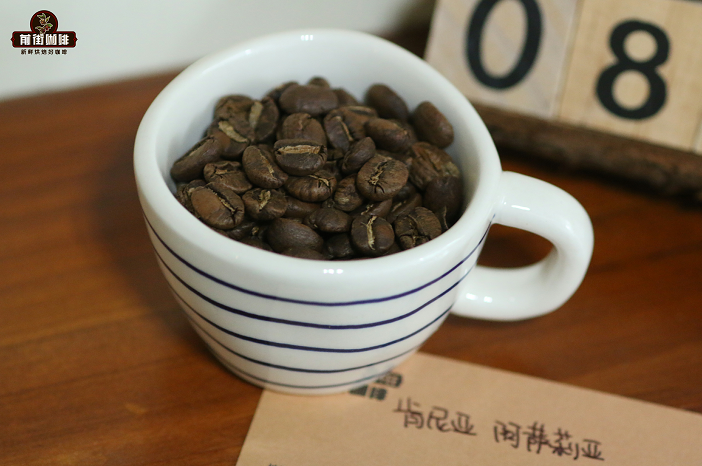
Kenya Coffee Characteristics | What Coffee Varieties Are Grown in Kenya? How to Make Pour-Over Black Coffee with Washed Kenya AA, and How to Describe the Coffee Flavor?
Front Street Coffee: Kenya Asaliya Coffee Beans Region: Kenya, Thika Region, Asali Processing Plant Altitude: 1550-1750m Processing Method: Washed Variety: SL28 & SL34 Flavor: Snow Pear, Smoked Plum, Yellow Sugar [more…]

Exploring Glenburn Tea Estate: Flavor Characteristics and Tasting Comparison of Himalayan High Mountain Black Tea
Glenburn Tea Estate is perched high in the Himalayas along the banks of the Rungit River, making it one of the most charming small estates in the Darjeeling region. Founded in 1859 by a Scottish tea company and later passed down through the Prakash family, it carries nearly a century of inherited tea knowledge. Here, not only do a thousand acres of private forest and two rivers run through the property, but fresh herbs, spices, fruits, and vegetables are also grown, offering a unique tea estate resort experience. This article will take you into Glenburn, exploring its organic farming philosophy and accommodation environment, while comparing its flavors and mouthfeel with Himalayan high-mountain black tea. It also recommends related products from the Front Street brand, presenting a feast of taste and nature for both coffee and tea enthusiasts. [more…]

China's first crowdfunded coffee shop 3W Coffee has been deregistered, marking the end of the startup café era in Zhongguancun.
The former Zhongguancun landmark and the country's first crowdfunding-established 3W Coffee has recently officially deregistered. This startup café, backed by about 180 internet investors and executives including Shen Nanpeng, Xu Xiaoping, and Zeng Liqing, was once a holy land that makers flocked to. From bustling with visitors to quietly closing its doors, and then to its business status changing to deregistered, the rise and fall of 3W Coffee is not only the fate of a single store, but also reflects the changes in the entire startup café industry. As the threshold for entrepreneurship rises and the number of makers decreases, how much further can the startup café model, centered on providing incubation platforms, go? [more…]
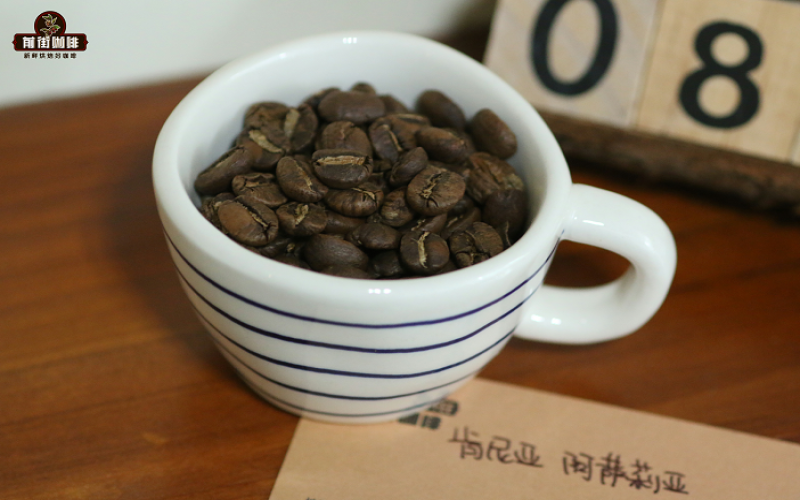
Kenyan Coffee Bean Flavor Characteristics and Pour-Over Parameters Explained: SL28 Variety, K72 Washed Processing, and the Starbucks Kenya Story
Kenyan coffee is renowned for its vivid fruity notes and juicy acidity, making it one of the most distinctive African origins in the minds of many coffee enthusiasts. This article focuses on the Kenya Asalia coffee beans selected by Front Street Coffee, systematically reviewing its origin terroir, variety heritage (SL28 and SL34), and the unique Kenyan-style 72-hour fermented washed process, while also sharing specific roasting curves and V60/cake cup brewing recipes. At the same time, by incorporating the historical background of Starbucks Kenya coffee beans, it helps readers fully understand the appeal of this bean from the dimensions of flavor, processing method, and brewing details. [more…]
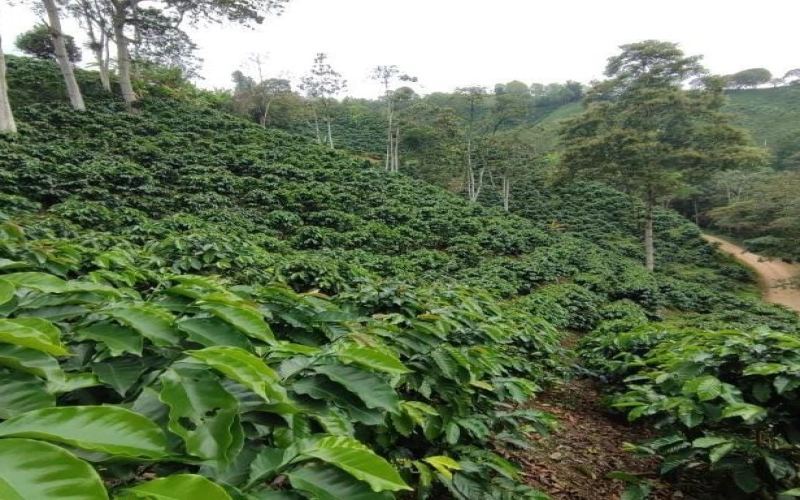
The History of Coffee Cultivation in Colombia and the Origins of the Geisha Variety: From Producing Regions to the Flavor Evolution of Hacienda La Esmeralda
Colombia is the world's second-largest coffee producer, and its coffee-growing history dates back to the Spanish colonial period in the sixteenth century. Today it has developed a dual structure of commercial Arabica in the north and specialty production areas in the south. Starting from Colombia's topography and microclimates, this article outlines its production regions, harvest seasons, and green bean grading system, and then takes an in-depth look at the legendary Geisha variety's wandering journey—from being discovered in an Ethiopian village, through Kenya and Costa Rica, to finally shining brightly at Hacienda La Esmeralda in Panama. Through cupping, Front Street Coffee has recorded Geisha coffee's full-bodied blackcurrant juice character, rich berry aroma, and red wine finish, giving you a comprehensive understanding of the terroir and stories behind this "green gold." [more…]